Northern Coast Beacons
Explore Archive
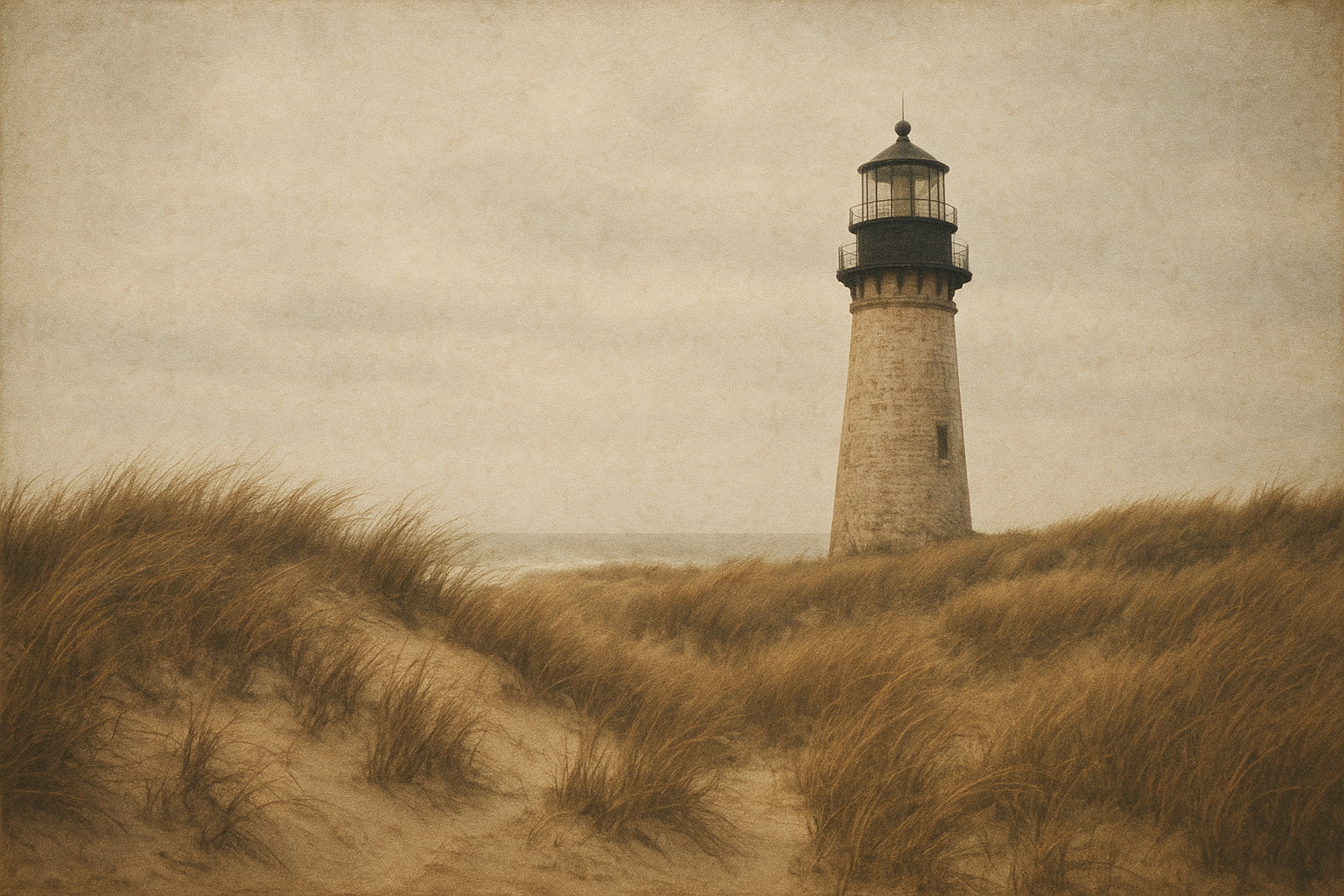
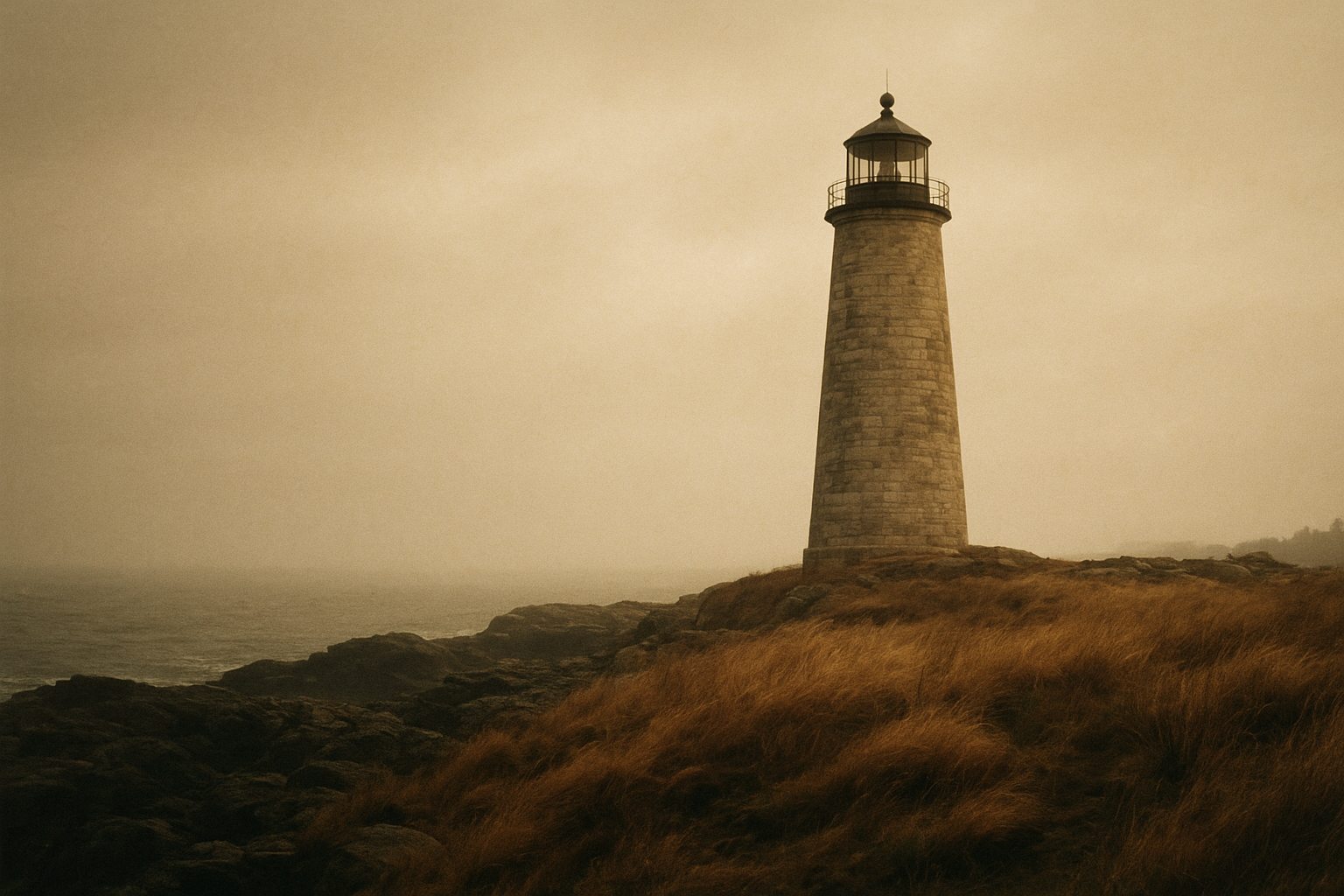
Solitary historic lighthouse on a rugged northern shoreline in sea mist, with warm ochre light, visible analog-film grain, and darker open space in the lower-left foreground

A Northern Coast Lighthouse Archive

Where the Coast Kept Watch

Explore lighthouse chronology, keeper voices, and preserved towers that still mark the northern shore.

Interpretive feature image · contemporary editorial rendering inspired by northern coast conditions.

A Brief History

From Headland Fires to Preserved Beacons,

A concise chronology of northern-coast lighthouse development before the keeper accounts and tower records.

  • Before the Great Towers

    Early coastal navigation

    Fires Above the Headlands

    Before purpose-built towers, elevated fires and simple shore lights warned mariners away from reefs and marked difficult approaches.

    Early warning lights depended on clear sightlines, steady fuel, and constant tending.

  • Masonry Era

    Nineteenth century

    Stone Against the Weather

    Durable masonry towers brought permanent beacons to exposed points where storms, salt, and shifting shorelines tested every structure.

    Tower form followed local stone, available labor, and the reach required at sea.

  • Optical Revolution

    Lens technology

    A Stronger, More Distinctive Beam

    Improved lenses concentrated lamplight into recognizable flashes, helping sailors identify one station from another after dark.

    Flash patterns became a practical language along the coast.

  • Mechanization

    Twentieth century

    From Wick to Wire

    New fuels, electric lamps, and motorized mechanisms reduced daily maintenance while extending reliability in difficult weather.

    Technology changed the keeper’s routine long before it removed the keeper.

  • Preservation

    Living heritage

    Keeping the Towers Standing

    Surviving stations now serve as navigational aids, landmarks, museums, and reminders of the communities formed around them.

    Preservation joins structural care with careful interpretation of coastal life.

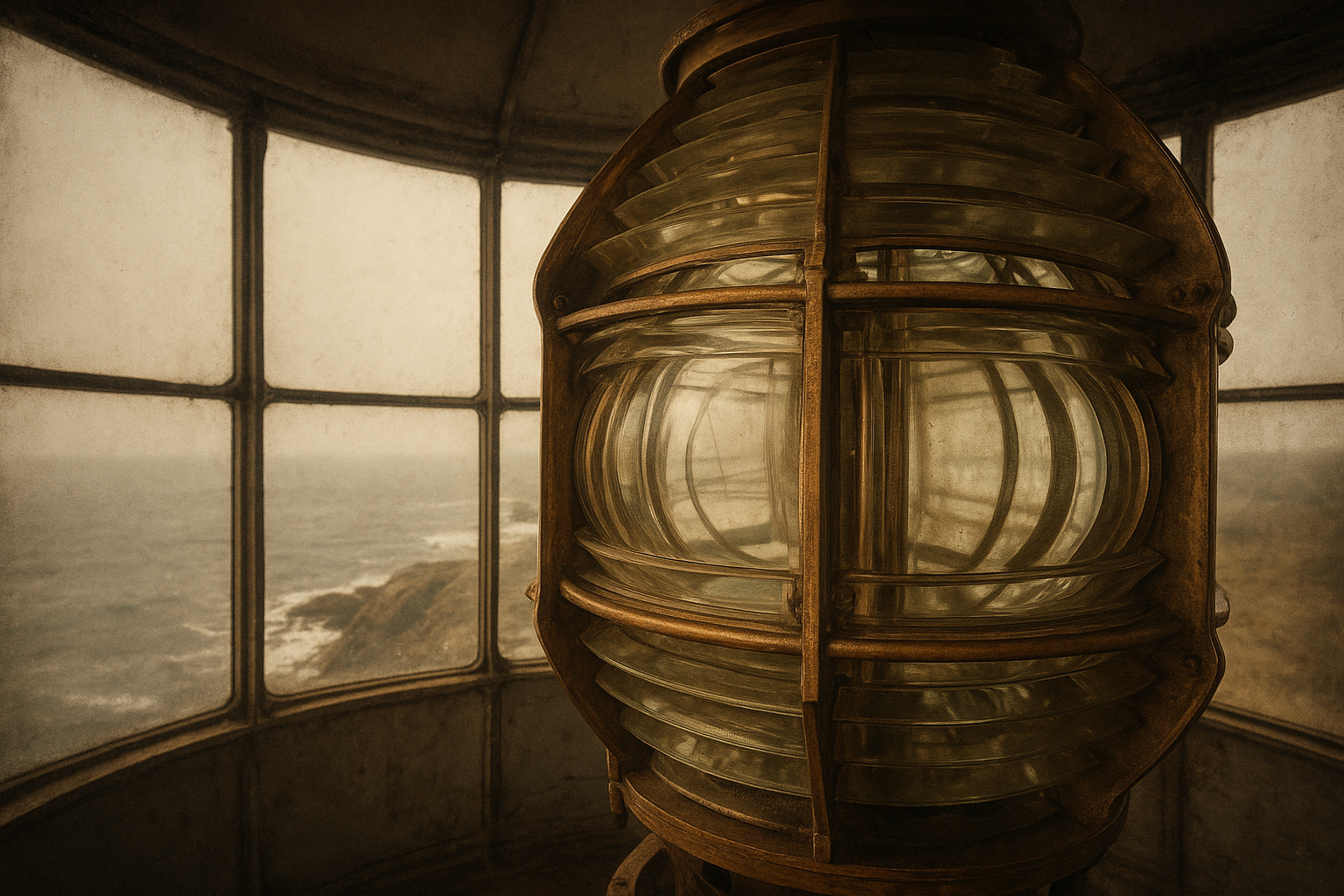
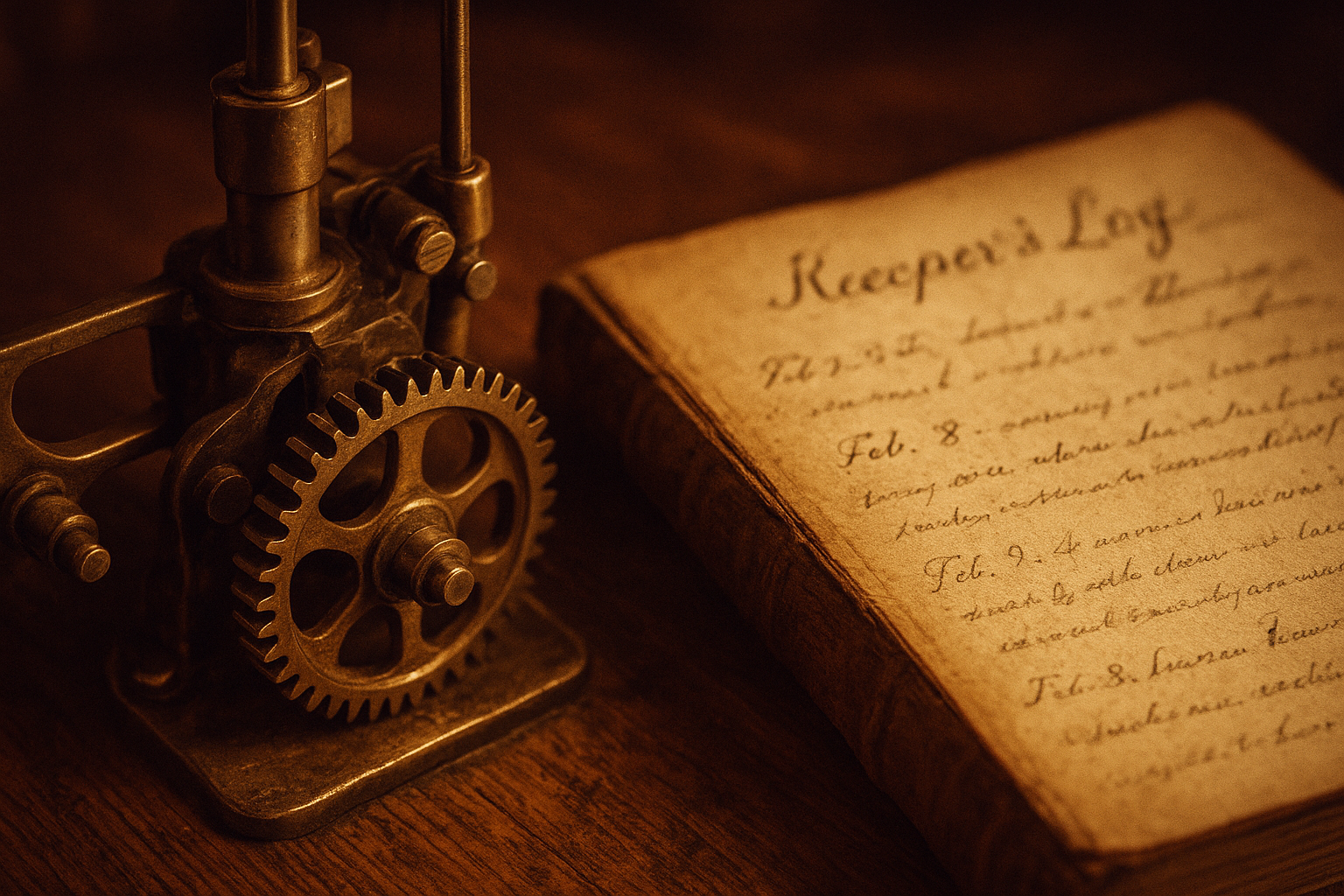
Close-up brass lantern-room machinery beside a weathered keeper logbook, photographed with warm film texture and visible grain.
Interpretive detail image: lantern-room mechanism and keeper logbook texture used to contextualize period practice.
Continue to Keeper Stories.

Lives at the Light

The Watch Was Never Solitary.

These are interpretive composite stories created to convey lived keeper experience. Names below are narrative composites, not claims about documented historical individuals.

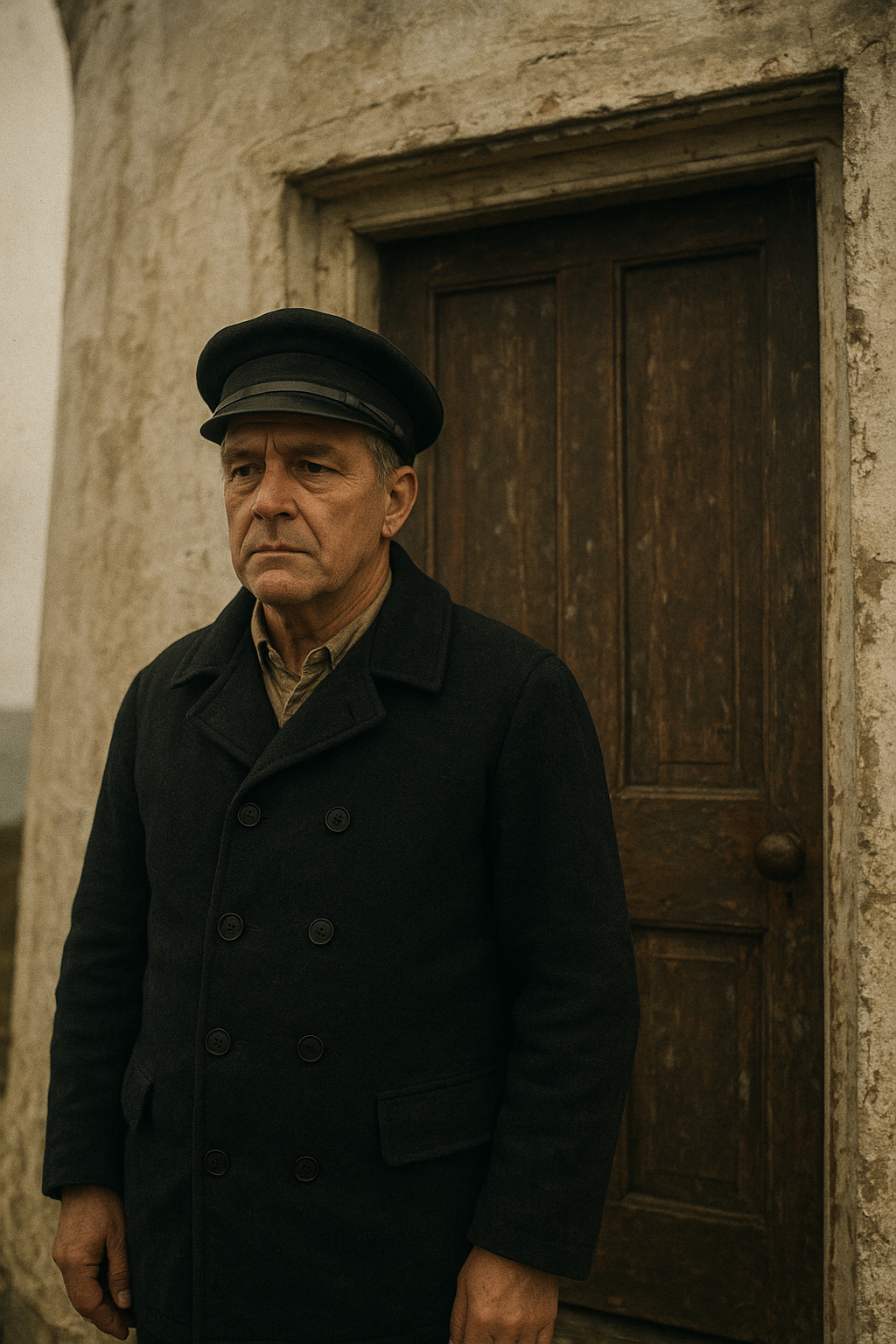
Interpretive portrait of A solemn lighthouse keeper standing beside a weathered station doorway
Interpretive portrait

Late nineteenth century

Elias Ward

Principal keeper

“The light was a promise made again each evening, whatever the weather brought.”

Ward’s remembered routine captures the discipline of trimming lamps, recording conditions, and watching for vessels through long winter nights.
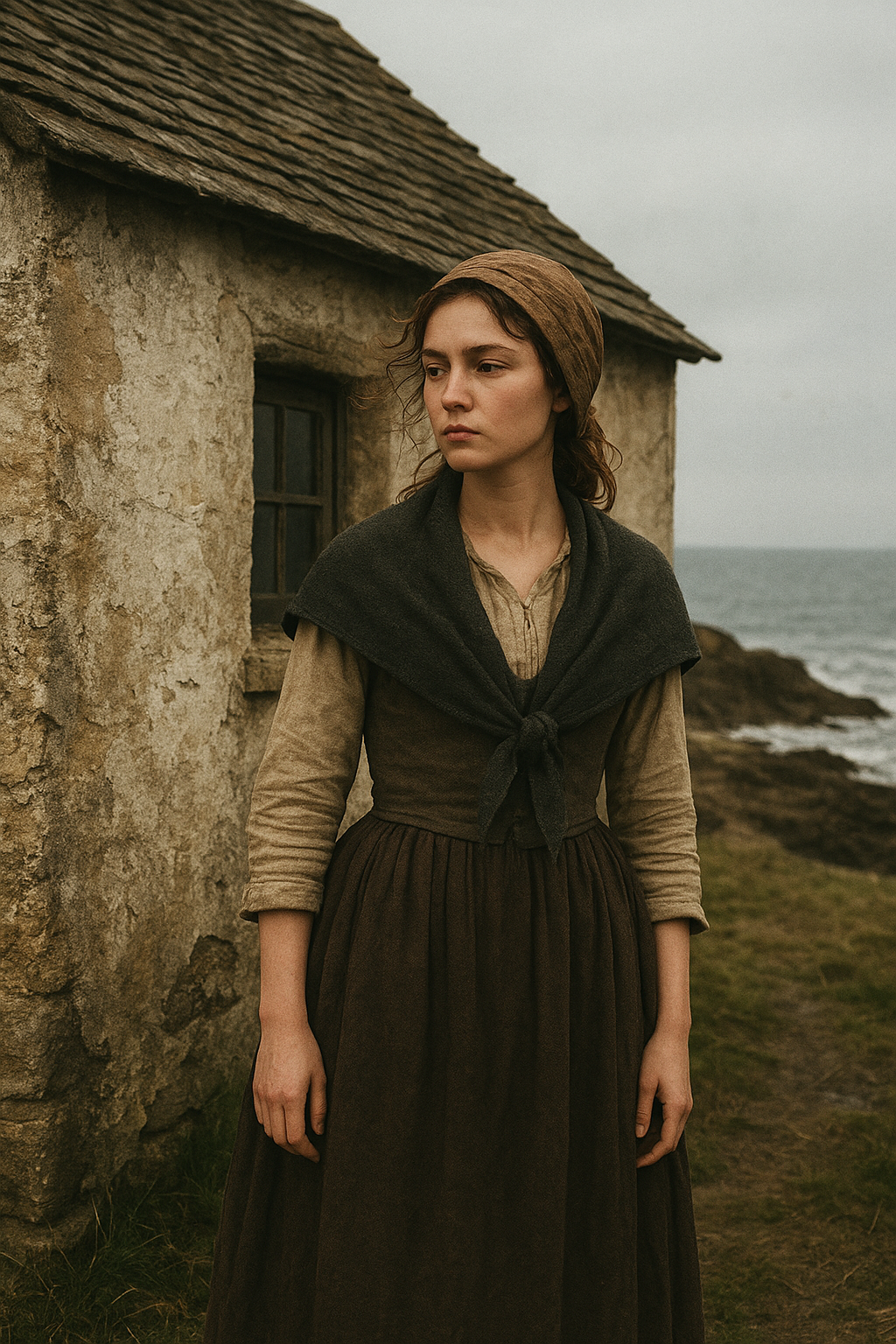
Interpretive portrait of A young woman beside a coastal keeper dwelling with wind-tossed clothing
Interpretive portrait

Early twentieth century

Mara Bell

Keeper’s daughter and station assistant

“We learned the sound of every wind before we learned the road inland.”

Bell’s account reflects the family labor behind isolated stations, from maintaining supplies to helping with signals and emergency watches.

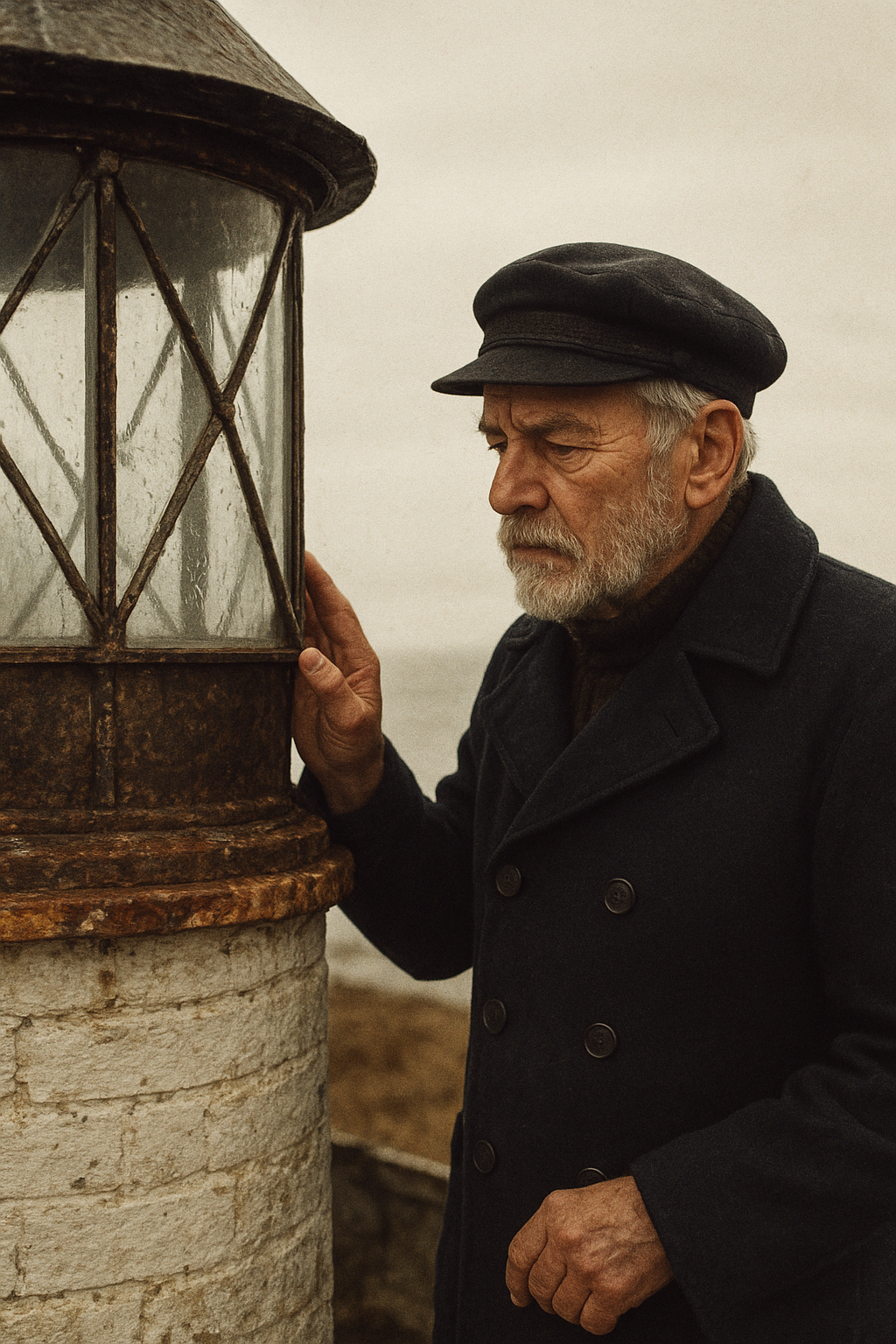
Interpretive portrait of An older keeper inspecting lantern-room glass and metalwork
Interpretive portrait

Mid-twentieth century

Thomas Reed

Relief keeper

“Automation changed the work, but it did not quiet the sea.”

Reed’s recollections bridge the staffed era and the arrival of automated equipment, when familiar duties gave way to periodic inspections.

What Remains

Towers Still Holding the Horizon

This illustrated coastline is an interpretive historical reference, not a navigational chart. Marker positions indicate representative preserved towers rather than exact survey coordinates.

N
01
02
03
04